
LOADING...

January

30Jan

How to Protect Your Security System During Harsh Winter Conditions

by kentzel@wisehomesolutions.com

When winter weather hits, it doesn’t just affect roads, roofs, and vehicles, it can also impact home security systems if they aren’t properly maintained. Freezing temperatures, snow, ice, and high winds can all interfere with cameras, sensors, and connectivity. The good news? With a little preparation and awareness, you can keep your security system running reliably all winter long and avoid unnecessary service issues or downtime.

Understand How Cold Weather Affects Security Equipment

Low temperatures can impact electronics more than most people realize. Batteries drain faster in cold weather, cameras may experience fogging or reduced visibility, and snow or ice buildup can block sensors or camera views. Extreme cold can also cause materials to contract, which may loosen mounts or shift camera angles over time.

Being aware of these risks is the first step in preventing problems before they happen.

Check and Replace Batteries More Frequently

One of the most common winter-related issues is battery failure. Cold temperatures cause batteries to lose power faster, especially in outdoor devices like cameras, doorbells, and wireless sensors. If a battery is already low heading into winter, it’s much more likely to fail during a cold snap.

Before winter sets in, check battery levels across your system and replace any that aren’t close to full. During winter, it’s smart to check them periodically rather than waiting for a low-battery alert.

Keep Cameras Clear of Snow, Ice, and Debris

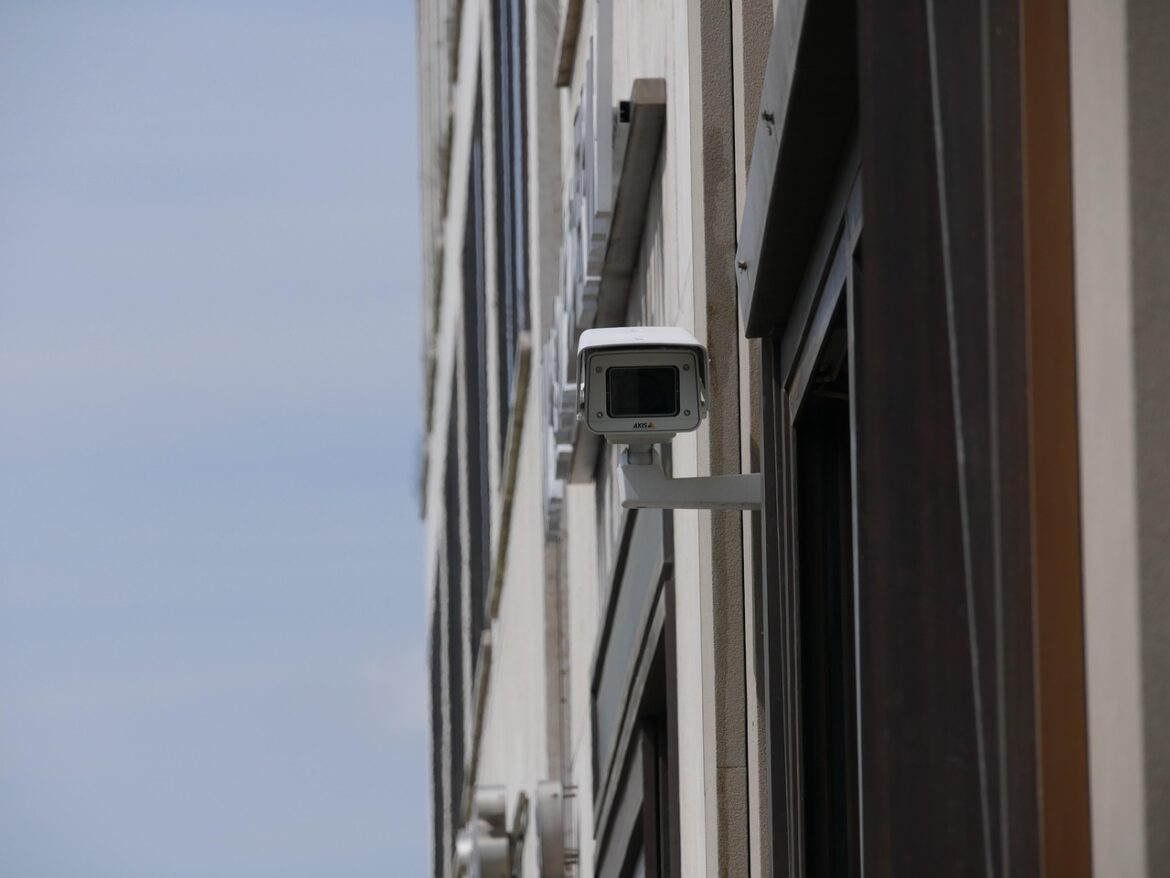
Snowfall, freezing rain, and wind can quickly block camera lenses or motion sensors. Even a thin layer of snow or ice can reduce video clarity or prevent motion detection entirely. After storms, take a few minutes to visually inspect outdoor cameras and gently clear off any buildup.

Also pay attention to changing sightlines, snowbanks or icicles can unintentionally block important views, especially near entry points.

Secure and Inspect Mounts and Wiring

Harsh weather can loosen camera mounts or expose wiring, particularly after heavy wind or snow. Cameras that slowly shift out of position may still appear “online” but won’t provide useful coverage.

Make sure mounts are tight and that exposed wiring is protected and properly sealed. If you notice sagging cables, loose hardware, or cameras pointing in the wrong direction, it’s best to address it quickly before the issue worsens.

Protect Outdoor Equipment From Moisture

Moisture is a major threat during winter, especially when snow melts and refreezes. Weather-rated security equipment is designed to handle these conditions, but seals and housings should still be checked periodically.

If you notice condensation inside a camera lens or housing, that’s a sign something isn’t sealed correctly and should be addressed right away to prevent long-term damage.

Maintain a Stable Internet and Power Connection

Winter storms often bring power outages or internet disruptions. If your security system relies on Wi-Fi or cloud connectivity, even a brief outage can interrupt monitoring and notifications.

Using backup power options, such as battery backups or generators, can help keep systems online during outages. This is especially important for properties that rely on continuous monitoring or remote access.

Don’t Forget About Commercial Properties

Cold weather doesn’t just impact residential systems, commercial security systems face many of the same risks, often on a larger scale. Businesses with outdoor cameras, access control systems, or perimeter surveillance should take extra precautions due to higher traffic areas and greater exposure.

Regular winter inspections and proactive maintenance can help prevent downtime, protect assets, and maintain safety for employees and customers.
14Jan

Benefits of Outdoor Security For Residential Homes & Commercial Facilities

by kentzel@wisehomesolutions.com

When considering whether to install outdoor security, it’s important to understand how much protection home security systems truly provide before an incident ever happens. Outdoor security solutions act as the first line of defense, monitoring activity, discouraging threats, and providing peace of mind for both homeowners and business owners alike. Whether you’re protecting a single-family home or a large commercial property, outdoor security plays a critical role in keeping people, property, and assets safe.

1. Video Evidence

    Having reliable video evidence is one of the most valuable benefits of outdoor security. When an incident occurs, especially one involving law enforcement, clear footage can make all the difference. Whether security cameras capture a car accident, burglary, vandalism, trespassing, or property damage, video surveillance provides undeniable visual proof of what actually happened.

    Video evidence helps law enforcement respond more effectively, supports insurance claims, and protects property owners from false accusations or disputes. In many cases, simply having footage available can speed up investigations and save significant time, stress, and money. When something goes wrong, you’ll be grateful you had eyes on the situation.

    2. Improved Safety for People and Property

      Outdoor security isn’t just about stopping crime, it’s also about protecting people. Well-monitored exteriors improve safety for families, employees, customers, and visitors. Cameras can help monitor entrances, parking lots, walkways, and loading areas where accidents or suspicious activity are more likely to occur.

      In commercial environments, outdoor surveillance supports employee safety during early-morning or late-night shifts and helps resolve liability concerns if someone is injured on the property. This level of awareness is especially important for businesses that rely on strong commercial security measures to operate safely and responsibly.

      3. Insurance and Liability Protection

      Many insurance providers view outdoor security as a risk-reducing investment. In some cases, installing outdoor cameras can lead to lower insurance premiums or smoother claims processes. If an incident occurs, having recorded evidence helps verify timelines, determine fault, and protect against fraudulent claims.

      For both homeowners and businesses, this added layer of documentation can be invaluable when dealing with insurance companies or legal matters.

      4. Crime Deterrence

      One of the most overlooked benefits of outdoor security is that it often prevents crime before it ever occurs. Visible cameras, proper lighting, and security signage can discourage criminals from targeting your home or business altogether. Most opportunistic criminals will avoid properties that appear monitored and move on to easier targets.

      For residential homes, this means fewer package thefts, break-ins, and acts of vandalism. For businesses, it helps reduce after-hours trespassing, theft, and property damage, especially in parking lots, alleys, and exterior entrances.

      Outdoor security is not just an add-on, it’s a critical part of a complete security strategy. From deterring crime and capturing video evidence to improving safety and protecting against liability, outdoor surveillance delivers real, everyday value for residential and commercial properties alike.

      If you’re considering outdoor security, the key is choosing a system that’s professionally installed, properly positioned, and tailored to your specific space. When done right, outdoor security doesn’t just watch your property, it actively protects it.