When most people think about home security systems, they picture protecting their family and personal belongings. However, many of the same principles apply to retail businesses. Store owners face a unique challenge: protecting merchandise from theft while creating an inviting shopping experience. Customers want to feel welcome, not watched, and finding the right balance is key to building trust and increasing profits.
Retail theft continues to be a major concern for businesses of all sizes. From organized retail crime to everyday shoplifting, inventory loss can significantly impact a company’s bottom line. Fortunately, modern security technology has evolved beyond obvious cameras and loud alarms. Today’s solutions allow retailers to deter theft while maintaining a comfortable environment for honest shoppers.
Why Traditional Security Methods Aren’t Enough
Years ago, many retailers relied on highly visible cameras, security guards, or locked display cases to discourage theft. While these methods can still be effective in certain situations, they often come with drawbacks.
Too much visible security can make customers feel uncomfortable or create the impression that a store doesn’t trust its shoppers. Locking up merchandise also slows down the buying process, which can frustrate customers and lead to abandoned purchases.
Modern commercial security systems focus on prevention, awareness, and intelligence rather than intimidation.
Strategic Camera Placement Makes a Difference
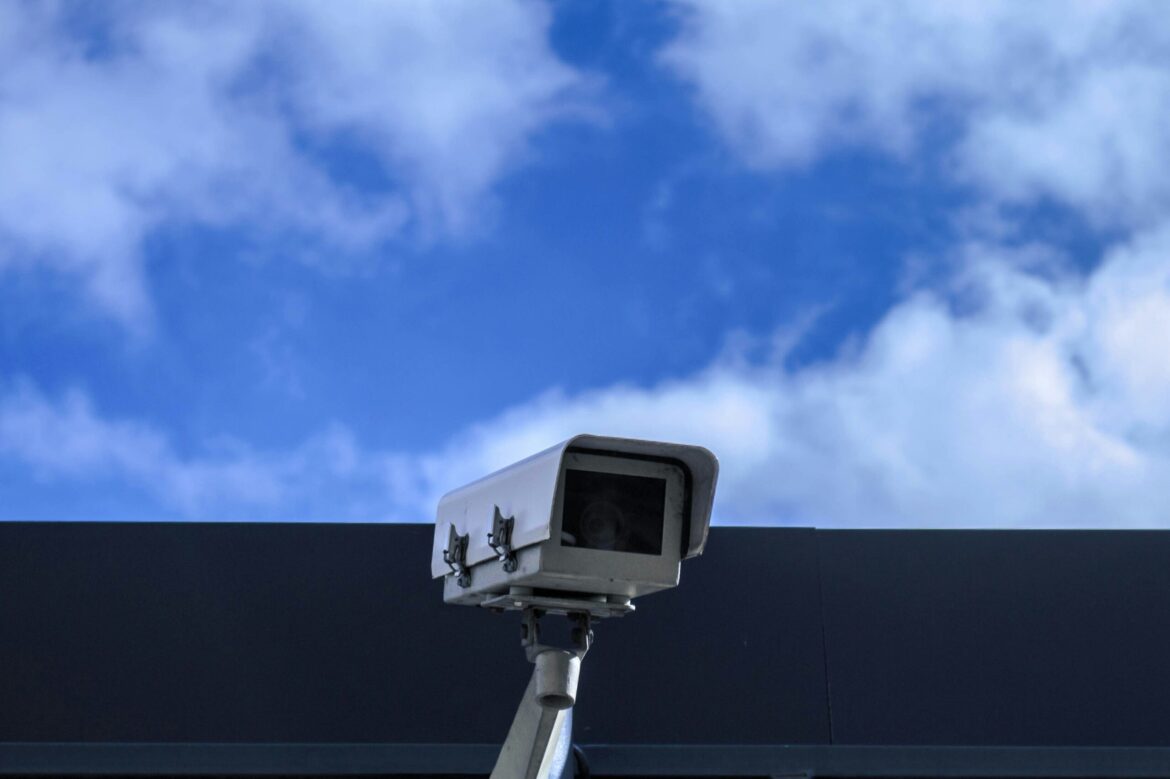
Security cameras remain one of the most effective tools for reducing shoplifting, but placement matters.
Instead of filling every corner with obvious cameras, retailers can strategically position high-resolution surveillance systems to monitor entrances, exits, checkout areas, and high-value merchandise. Well-designed camera systems provide excellent coverage without dominating the customer experience.
Advanced surveillance cameras also offer features like:
- High-definition video
- Low-light and nighttime recording
- Wide-angle coverage
- Motion detection
- Remote viewing from a smartphone or computer
If an incident occurs, clear video evidence can assist law enforcement while also helping store managers identify patterns of theft.
Use Analytics to Prevent Theft Before It Happens
Modern surveillance systems do much more than record video.
Many retailers now use intelligent video analytics that can detect suspicious activity, monitor customer traffic, and identify unusual behavior. Instead of reviewing hours of footage after a theft occurs, store owners receive alerts when specific events happen.
Examples include:
- Someone lingering in restricted areas
- Repeated movement around expensive products
- Unauthorized access to employee-only spaces
- Activity after business hours
These proactive tools allow employees to respond before inventory walks out the door.
Improve Store Visibility
Believe it or not, store layout plays a major role in preventing shoplifting.
Keeping aisles open, improving lighting, and reducing visual obstructions makes it easier for employees to naturally observe customers throughout the store. Mirrors, organized displays, and uncluttered shelving create an environment where theft is more difficult without making shoppers feel monitored.
A well-designed store is both welcoming and secure.
Train Employees to Engage Customers
One of the simplest theft prevention strategies costs very little.
Greeting customers as they enter, offering assistance, and maintaining an active presence on the sales floor discourages many opportunistic shoplifters. Criminals often avoid stores where employees are attentive because they know they’ve been noticed.
Employee training should focus on excellent customer service rather than confrontation. Friendly engagement improves the shopping experience while naturally increasing security.
Access Control Protects More Than the Sales Floor
Retail security isn’t just about customers.
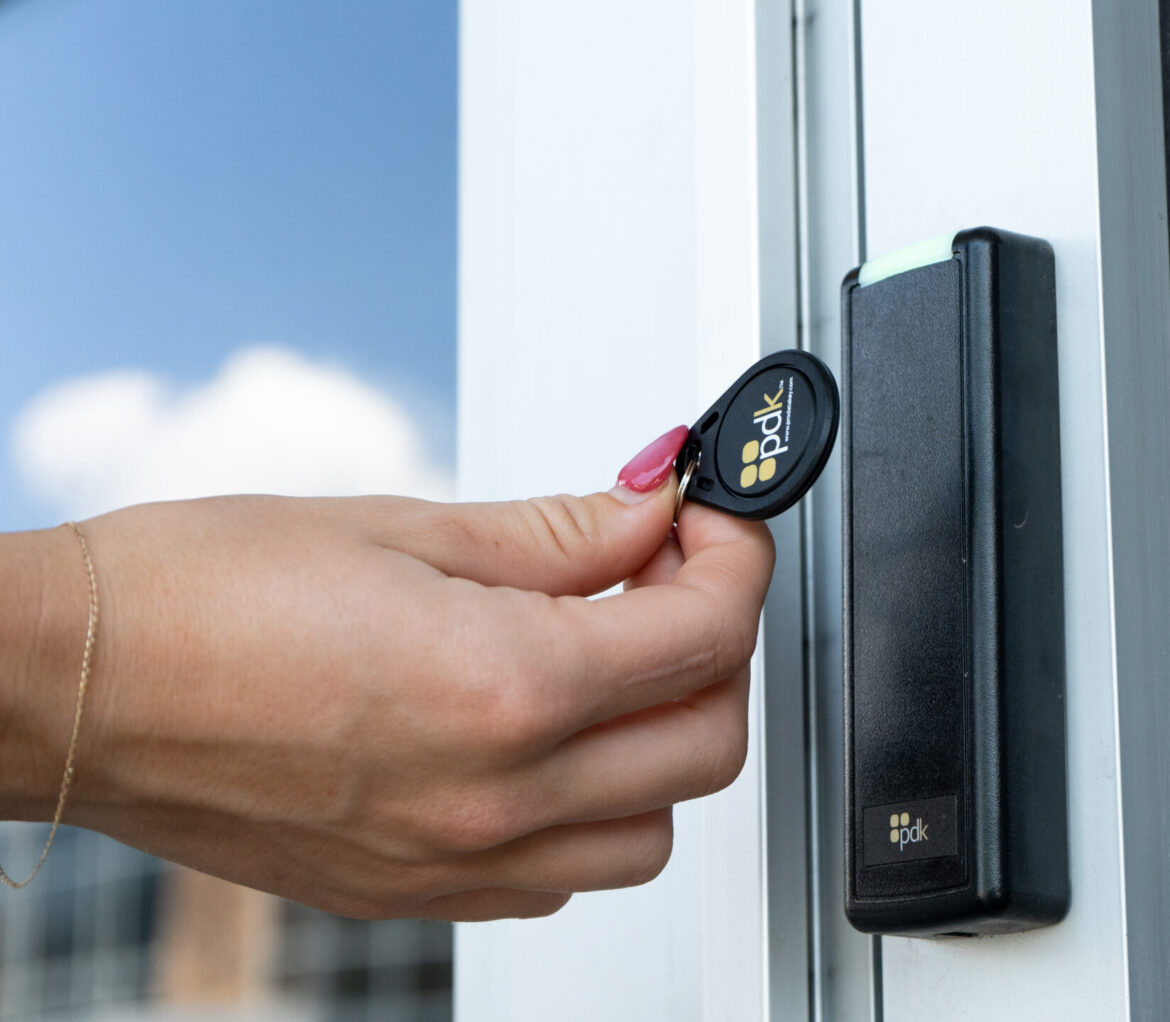
Stock rooms, offices, cash-counting areas, and inventory storage should only be accessible to authorized employees. Modern access control systems make it easy to manage who enters sensitive areas and when.
Solutions like keycards, mobile credentials, and cloud-based access management create accountability while eliminating the need for traditional keys.
If an employee leaves the company, access can be revoked immediately without replacing locks.
Alarm Systems Still Play an Important Role
While cameras help document incidents, alarm systems provide immediate protection against burglaries and after-hours break-ins.
Integrated alarm systems can monitor:
- Doors and windows
- Glass break sensors
- Motion detectors
- Panic buttons
- Fire and environmental hazards
When connected with professional monitoring, businesses receive rapid emergency response even when the store is closed.
Combining alarms with surveillance creates a layered security strategy that protects inventory around the clock.
Create a Seamless Security Experience
The best security systems often go unnoticed by customers.
Today’s commercial security technology allows retailers to combine surveillance cameras, intrusion alarms, access control, and remote management into one easy-to-use platform. Store owners can monitor multiple locations, receive instant alerts, and review footage from virtually anywhere.
Customers simply enjoy a clean, safe, and welcoming shopping environment without feeling like they’re under constant surveillance.
Invest in Protection That Supports Your Business
Every retail business has different security needs, whether it’s a small boutique, convenience store, grocery store, or large retail chain. A customized security solution can reduce shrinkage, protect employees, and provide peace of mind without sacrificing customer satisfaction.
At Wise Security Solutions, we help retailers build security systems that work behind the scenes to protect inventory while creating a positive shopping experience. From advanced surveillance cameras and access control to professionally monitored alarm systems, we provide tailored solutions that keep your business secure and your customers comfortable.