LOADING...

Category "Uncategorized"

3Jul

What Happens After a Break-In: The Hidden Costs Most People Don’t Think About

by kentzel@wisehomesolutions.com

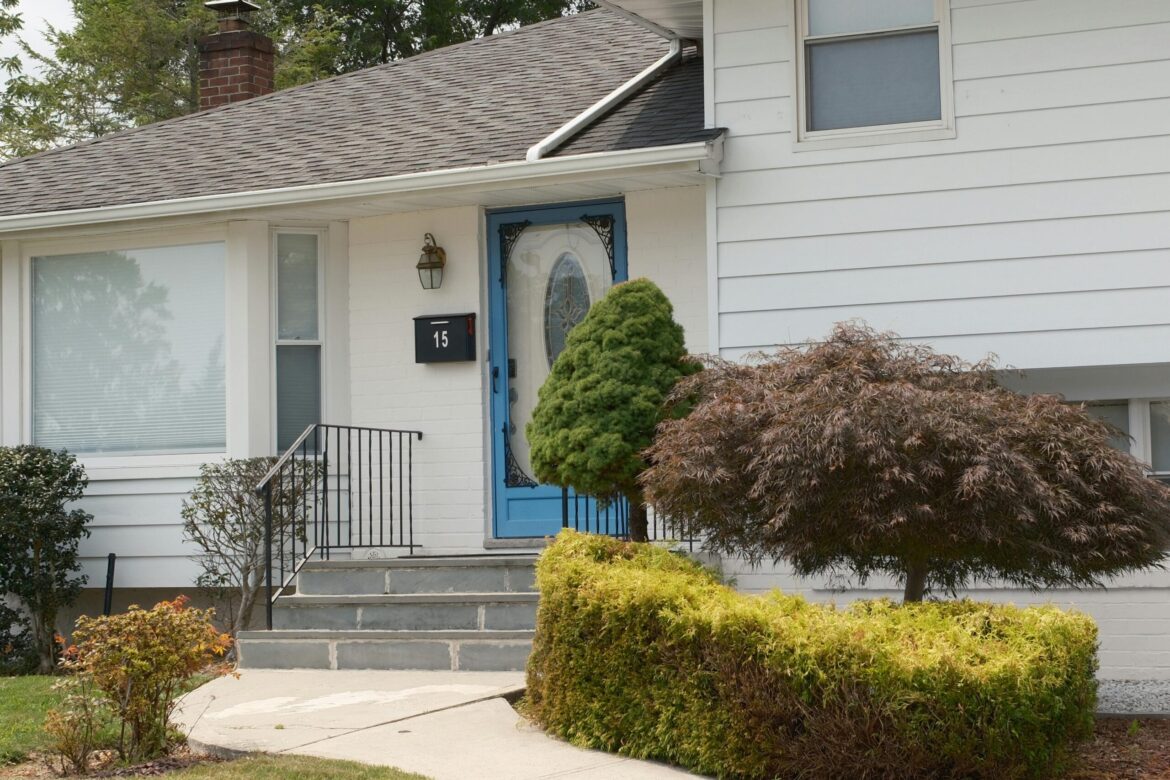
Most people think about break-ins in simple terms: someone gets in, takes your stuff, and you replace it. But anyone who has lived through a burglary will tell you the story is much more complicated, and far more expensive, than that. The visible damage is just the beginning. It’s everything that comes after that catches people off guard.

The Obvious Costs Are Just the Starting Point

Yes, stolen electronics, jewelry, and cash hurt. And yes, a kicked-in door or smashed window needs to be repaired immediately. But those are the costs you can see and price out on the same day. The hidden costs are the ones that quietly pile up over the weeks and months that follow.

The Insurance Process Is Rarely Simple

Filing a homeowner’s insurance claim after a burglary sounds straightforward until you’re in the middle of it. Insurers require detailed documentation of everything stolen, serial numbers, purchase receipts, estimated values. Most people can’t produce that for the majority of their belongings. What you can’t document, you often can’t claim.

Even when a claim goes through, you’re paying your deductible out of pocket first. And once a claim is on your record, premiums can increase at renewal, sometimes significantly, and that rate hike follows you for years.

For business owners, the math gets worse. A commercial security incident often means business interruption, potential liability if client data or property was compromised, and an insurance review that can affect coverage terms going forward.

The Legal and Administrative Burden

Filing a police report is required for an insurance claim, but it’s only the first step in what can become a lengthy administrative process. If a suspect is identified and arrested, you may be called to provide statements, attend hearings, or appear in court, none of which you planned for and all of which take time away from work and family. If stolen items are recovered, there’s a separate process to reclaim them. Most people have no idea how much time the aftermath of a burglary can consume.

The Emotional Cost Is Real & Lasting

This is the one that doesn’t show up on any invoice but hits hardest. Your home is supposed to be the place where you feel safest. After a break-in, that feeling doesn’t come back automatically. Many burglary victims report difficulty sleeping, heightened anxiety, and a persistent sense that their space has been violated. For families with children, the conversation about what happened and why home feels different now is one nobody wants to have.

Business owners experience this too. Employees who work in a space that was broken into often feel unsettled. Customer trust can erode if the incident becomes known. The psychological impact of a commercial security breach extends well beyond the owner.

Prevention Is Dramatically Cheaper

Here’s the math that matters: the average residential burglary results in losses, repairs, insurance complications, and time costs that routinely exceed several thousand dollars once everything is tallied. A professionally installed and monitored home security system costs a fraction of that, and it doesn’t just respond to a break-in, it prevents one. Monitored systems deter criminals before they act, and when something does trigger, emergency services are contacted immediately rather than after the fact.

For business owners, investing in commercial security upfront is even more clearly cost-effective. The combination of cameras, access control, and professional monitoring protects not just physical assets but also the liability exposure and business continuity risks that come with a breach.

The Bottom Line

A break-in is never just about what gets taken. It’s the insurance headache, the legal process, the weeks of feeling unsettled in your own space, and the long tail of costs that most people never anticipated. The good news is that it’s largely preventable, and prevention costs far less than recovery.

At Wise Security Solutions, we help Utah homeowners and business owners build security setups that actually protect them before something goes wrong. Reach out today to find out what the right solution looks like for your home or business.

17Jun

How to Upgrade Your Outdated Security System Without Starting Over

by kentzel@wisehomesolutions.com

Many businesses and homeowners assume that upgrading their security means tearing everything out and starting completely from scratch. In reality, that’s often not necessary. Modern security technology has become much more flexible, allowing older systems to be upgraded gradually while still improving protection, convenience, and reliability.

Whether you’re managing a business looking to improve commercial security or updating older home security systems, upgrading strategically can save both time and money while extending the life of your existing setup.

Signs Your Security System Is Outdated

A security system doesn’t have to completely fail before it becomes outdated. Many older systems still function, but they may lack modern features that improve safety, monitoring, and usability.

Some common signs it may be time for an upgrade include:

  • Low-quality or blurry camera footage
  • Limited remote access capabilities
  • No mobile app integration
  • Frequent maintenance issues
  • Older DVR or NVR hardware
  • Lack of cloud-based management
  • Systems that don’t integrate together
  • Poor night vision or camera coverage
  • No smart notifications or alerts

Outdated systems can create blind spots in your security rather than providing true protection. In many cases, businesses are still relying on equipment installed 10–15 years ago that no longer meets current security demands.

Start by Evaluating What Still Works

One of the biggest mistakes people make is assuming every piece of hardware needs to be replaced. A professional security assessment can often identify parts of the system that can still be reused.

For example:

  • Existing camera wiring may still be usable
  • Certain newer cameras may remain compatible
  • Network infrastructure may already support upgrades
  • Door hardware can sometimes integrate with new access control systems

By evaluating what still works, businesses can focus their budget on the areas that will make the biggest impact first.

Upgrade Cameras Without Rewiring Everything

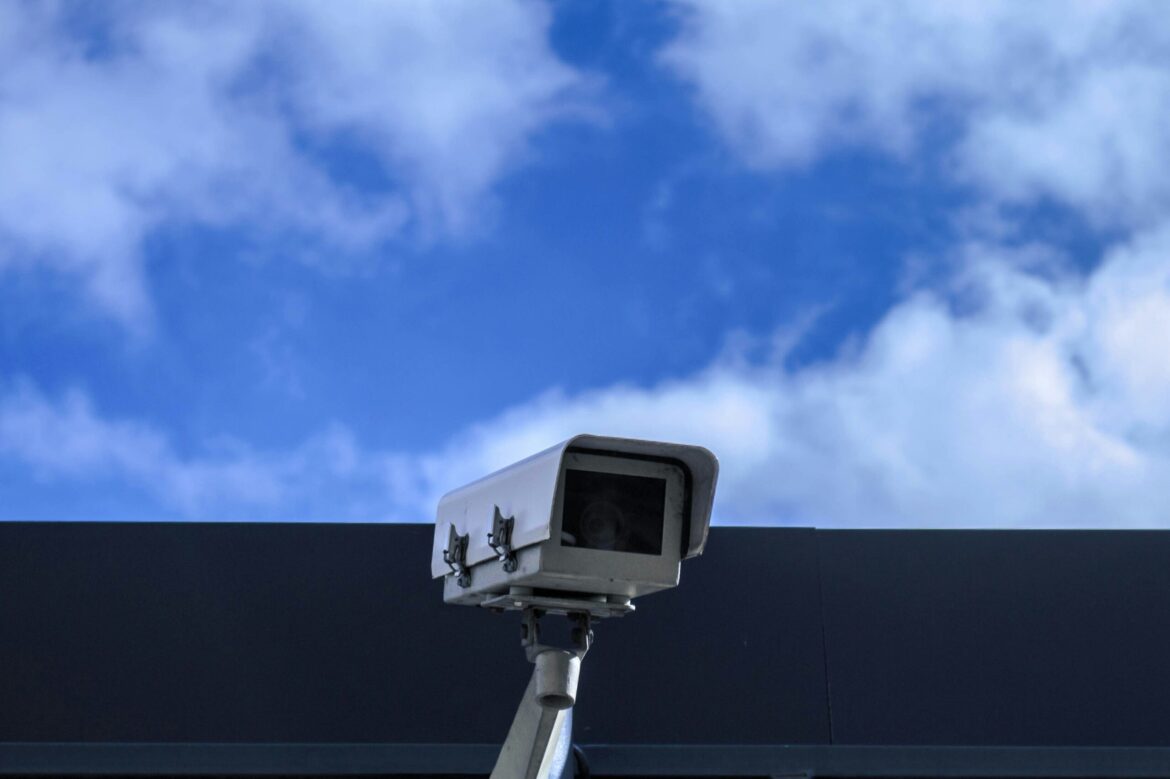
One of the easiest ways to modernize a system is by upgrading surveillance cameras while keeping existing infrastructure in place. Many older coaxial or Ethernet cable runs can still support newer cameras, depending on the setup.

At Wise Security Solutions, we frequently install systems from companies like Axis Communications, Hikvision, and Hanwha Vision because they offer scalable solutions that work well for both new and upgraded systems.

Modern cameras provide major improvements over older models, including:

  • Higher-resolution video
  • Better night vision
  • Smart motion detection
  • Remote viewing from mobile devices
  • AI-powered analytics
  • Improved storage efficiency

Instead of replacing an entire system at once, many businesses choose to upgrade critical areas first, such as entrances, parking lots, inventory rooms, or customer-facing spaces.

Modernize Access Control Separately

Another smart upgrade path is improving access control without fully rebuilding your security system.

Older key-based systems create several problems:

  • Lost keys
  • Expensive rekeying
  • No audit trail
  • Limited control over employee access

Modern cloud-based access control platforms like ProdataKey (PDK) allow businesses to manage doors remotely, assign mobile credentials, and instantly revoke access when needed. PDK’s cloud-based platform is designed for remote management and mobile-first access control.

The advantage is that businesses can often add access control to key entry points first and expand over time rather than converting every door immediately.

This approach makes upgrading commercial security much more manageable financially while still improving overall protection.

Add Smart Monitoring Features

A major limitation of older systems is the lack of intelligent alerts and remote access. Today’s security platforms allow users to receive real-time notifications directly to their phone or computer.

Platforms like Alarm.com help connect cameras, alarms, automation, and monitoring into one centralized system. This allows both businesses and homeowners to:

  • View cameras remotely
  • Arm or disarm systems from mobile devices
  • Receive instant alerts
  • Monitor activity in real time
  • Automate locks, lights, and schedules

For home security systems, these upgrades can dramatically improve convenience without requiring a full system replacement.

Integrate Systems Together Over Time

Modern security works best when systems communicate with each other. One advantage of upgrading gradually is the ability to build toward a more connected system over time.

For example:

  • Cameras can integrate with access control
  • Alarms can trigger camera recordings
  • Access events can link directly to video footage
  • Mobile apps can manage multiple systems from one dashboard

This creates a much stronger security environment compared to older standalone systems that operate independently.

Many businesses choose to phase upgrades over several months or years rather than replacing everything at once. This allows them to spread out costs while continuously improving protection.

Build a Security System That Can Grow With You

Security technology continues to evolve quickly, which is why flexibility matters. The goal isn’t just replacing old equipment, it’s creating a system that can adapt as your needs change.

At Wise Security Solutions, we help businesses and homeowners upgrade outdated systems strategically using trusted security brands like Axis Communications, Hikvision, Hanwha Vision, Alarm.com, and PDK. By building scalable systems, clients can modernize their security without having to start completely over.

Whether you’re improving commercial security for your business or upgrading older home security systems, modernizing your setup doesn’t have to happen all at once. The right upgrade plan can help you improve protection now while preparing for future growth.

23Oct

Is Your Warehouse Secure? A Complete Commercial Security Checklist

by kentzel@wisehomesolutions.com

Warehouses often hold the lifeblood of a business, inventory, equipment, and valuable data. Yet, they’re also some of the most overlooked when it comes to security planning. While many homeowners invest in home security systems to protect their personal property, businesses must take a much broader and more strategic approach. Warehouses, in particular, need multi-layered protection to guard against theft, vandalism, unauthorized access, and even environmental hazards like fires or leaks.

Whether you manage a small distribution hub or a massive logistics center, this commercial security checklist will help ensure your facility is protected from every angle.

1. Control Who Comes and Goes

Access control is the foundation of warehouse security.

  • Install keycard or mobile-based entry systems to eliminate lost keys and track employee movement.
  • Set access levels based on job roles—limit sensitive areas like IT rooms or high-value storage zones.
  • Review access logs regularly to detect unusual patterns or unauthorized entry attempts.

Pro Tip: Combine your access control with identity verification like badge photos or biometric scanning for extra assurance.

2. Keep Eyes on Every Angle

Surveillance is your 24/7 watchdog.

  • Use high-resolution cameras with night vision and wide dynamic range to cover dark corners and exterior perimeters.
  • Choose remote viewing systems so management can monitor live footage anytime, anywhere.
  • Integrate motion alerts, many modern security platforms send real-time notifications for suspicious movement after hours.

Recommended Tool: Hanwha Vision and Alarm.com cameras are industry favorites for reliability and integration with other systems.

3. Secure Your Entry Points

Doors, windows, and loading docks are common weak spots.

  • Reinforce exterior doors with heavy-duty locks and steel frames.
  • Use dock door sensors to detect when a bay is left open.
  • Check that windows and skylights are shatter-resistant or protected by bars or grilles.

A single unmonitored entrance can become the easiest path for intruders, especially at night or during shift changes.

4. Protect Against Environmental Threats

Not all risks are human. Fires, floods, and temperature changes can be just as devastating.

  • Install smoke and carbon monoxide detectors that are integrated with your alarm system.
  • Use water leak sensors in areas with plumbing or near HVAC systems.
  • Consider temperature monitoring for sensitive inventory or electronics.

These preventative tools can save your business thousands in lost stock or downtime.

5. Strengthen Perimeter Defenses

The area outside your building is your first line of defense.

  • Add motion-activated lighting to deter trespassers.
  • Fence the property with secured gates and keypad or RFID entry.
  • Use signage to make it clear that your facility is under surveillance—visibility alone often discourages crime.

6. Implement Cyber and Network Protection

With modern commercial security systems tied to the cloud, physical and digital security must go hand in hand.

  • Secure Wi-Fi networks for all connected devices.
  • Change default passwords and enable two-factor authentication for security dashboards.
  • Train staff to recognize phishing or social engineering tactics that could compromise your system.

7. Don’t Forget the Human Element

Even the best technology can’t replace awareness and accountability.

  • Conduct routine security audits and update procedures as your business grows.
  • Train employees on emergency response plans and security best practices.
  • Encourage a see something, say something culture to spot issues early.

Final Thoughts

Warehouse security isn’t just about locks and cameras, it’s about building a proactive system that blends technology, policy, and people. When all three work together, you minimize risks and maintain operational confidence.

If you’re unsure where to start, Wise Security Solutions offers expert consultation and installation for everything from access control to video surveillance. Let’s make sure your warehouse is not just operational, but truly secure.