LOADING...

March

23Mar

The Hidden Security Risks of Traditional Office Entry Systems

by kentzel@wisehomesolutions.com

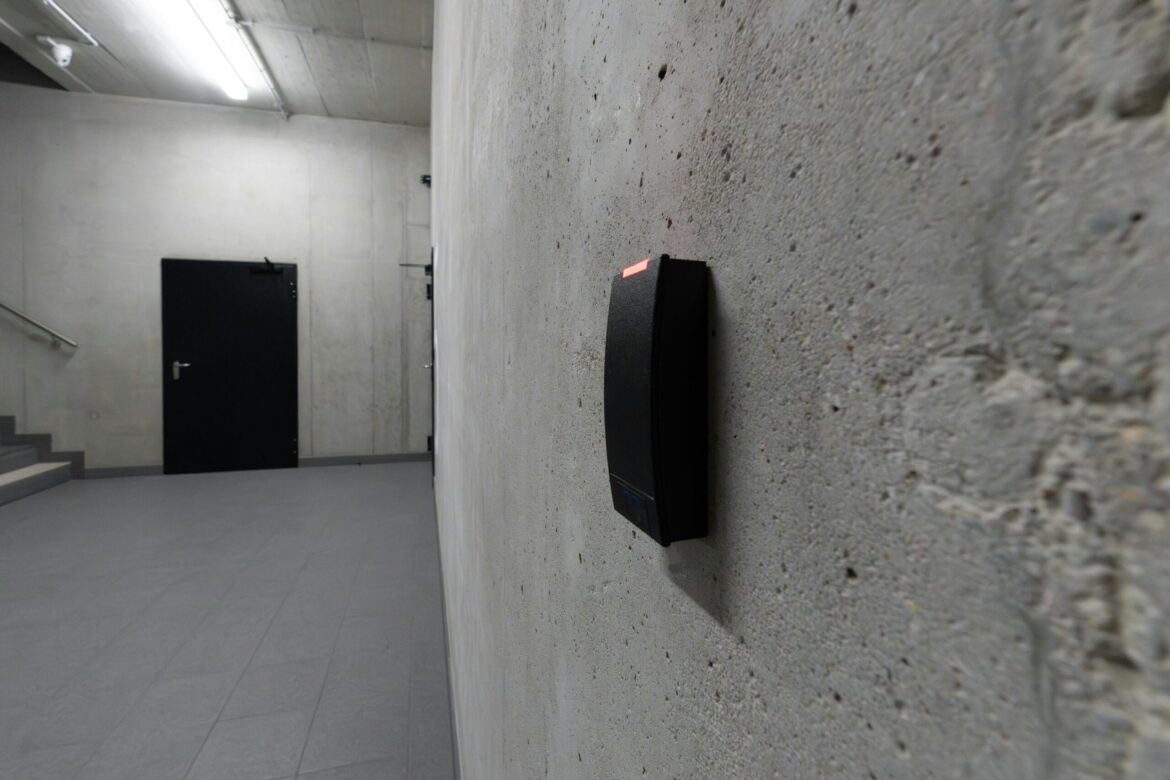
When people think about protecting their business, they often focus on cameras or alarms, similar to how home security systems are used to monitor and deter threats. But one of the biggest vulnerabilities in any office isn’t always visible: it’s how people get in. Traditional entry methods like physical keys and basic keycards might seem reliable, but they come with hidden risks that can quietly put your business, employees, and assets in danger.

The Illusion of Control

At first glance, handing out keys or keycards feels like control. You decide who gets access, and that’s that. But in reality, once those credentials are in someone else’s hands, you lose a significant level of oversight.

Keys can be copied. Keycards can be shared. And unless you’re actively tracking every single person who has access, it’s easy for things to slip through the cracks. Many businesses assume their space is secure, until something goes wrong and they realize they had far less control than they thought.

Lost and Unreturned Keys

This is one of the most common, and most underestimated, security risks. Employees lose keys all the time, and not every lost key gets reported. Even worse, when employees leave a company, there’s no guarantee all keys or keycards are returned.

That means former employees, vendors, or even strangers could still have access to your building without your knowledge. The only real solution with traditional systems? Re-keying locks or replacing cards, both of which cost time and money, and often don’t happen as quickly as they should.

The Risk of Shared Access

Here’s something most businesses don’t think about: employees often share access credentials. Whether it’s lending a keycard to a coworker or letting someone in “just this once,” these small actions can create major security gaps.

The problem is, once access is shared, there’s no way to track who actually entered the building. This makes it incredibly difficult to investigate incidents or enforce security policies effectively.

Former Employees Still Having Access

This is where things can get especially risky. When someone leaves your company, on good terms or bad, revoking access should be immediate.

With traditional systems, that’s not always realistic. Keys aren’t always returned, and even if they are, you can’t guarantee copies weren’t made. That leaves your business exposed to potential internal threats long after someone is gone.

Limited Control Over Access Levels

Not everyone in your business should have access to everything. Offices often have sensitive areas, server rooms, inventory storage, private offices, that require restricted entry.

Traditional systems make it difficult to create different levels of access. Either someone has a key, or they don’t. There’s no easy way to limit access by role, schedule, or location, which increases the risk of unauthorized entry into critical areas.

Traditional office entry systems may seem simple, but their hidden risks can have serious consequences. From lost keys to untracked access and former employees still being able to enter, these systems create gaps that modern businesses can’t afford.

Upgrading your commercial security to a smart access control system isn’t just about convenience, it’s about taking back control, improving visibility, and ensuring your business is protected at every level. Because real security isn’t just about locking doors, it’s about knowing exactly who has the ability to unlock them.
9Mar

What Homeowners Need to Know About DIY Vs Professional Security Installation 

by kentzel@wisehomesolutions.com

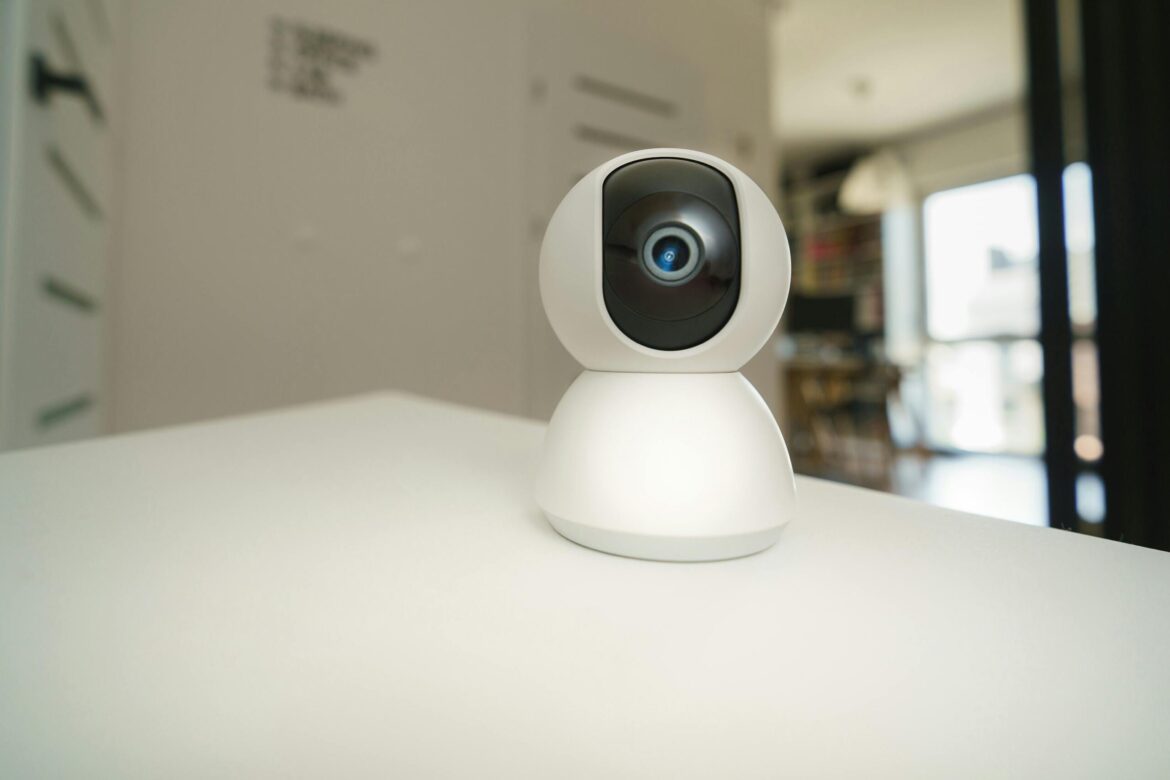
In recent years, DIY home security systems have exploded in popularity. With a quick online order and a few hours of setup, homeowners can install cameras, doorbell systems, and motion sensors without ever speaking to a technician. The appeal is obvious: lower upfront costs, no contracts, and the satisfaction of doing it yourself. But when it comes to protecting your home, your family, or even your business, is “good enough” actually enough?

Why DIY Security Systems Are So Popular

  • DIY systems attract homeowners for a few key reasons:
  • Lower upfront cost
  • No long-term contracts
  • Easy online ordering
  • Simple installation
  • App-based control

For renters or people in apartments, these systems feel especially appealing. You can take the equipment with you when you move. Setup is usually plug-and-play. And marketing makes it seem effortless.

The Hidden Limitations of DIY Systems

What many people don’t realize is that DIY systems often come with trade-offs.

1. Limited Coverage Planning

Most homeowners aren’t security experts. They may install a camera at the front door and one in the backyard, but leave blind spots along side entrances, garages, or ground-floor windows.

Professional installers design systems based on layout, entry points, lighting conditions, and risk assessment, not guesswork.

2. Wi-Fi Dependence

Many DIY systems rely heavily on Wi-Fi. If your internet goes down, or if someone intentionally disrupts it, your system may stop functioning properly.

Professionally installed systems often include cellular backup and hardwired components for greater reliability.

3. No Professional Monitoring

Some DIY systems offer optional monitoring, but many users skip it to save money. That means if an alarm triggers while you’re asleep, traveling, or without your phone nearby, no one responds.

With professional monitoring, trained operators can dispatch emergency services immediately,  even if you can’t.

4. Installation Errors

Mounting cameras too high, aiming them incorrectly, failing to secure wiring, or misconfiguring motion zones are common mistakes. These errors reduce effectiveness, sometimes drastically. Security isn’t just about having equipment. It’s about having it installed correctly.

Where DIY Makes Sense

DIY security systems can make sense for:

  • Small apartments
  • Temporary living situations
  • Low-risk properties
  • Supplemental coverage (like adding an extra indoor camera)

They can also serve as an entry point for people just starting to think about security. But when higher stakes are involved, the conversation shifts.

The Value of Professional Security Systems

Professionally installed home security systems offer more than just equipment. They provide:

  • Custom security design
  • Strategic camera placement
  • Reliable connectivity options
  • 24/7 professional monitoring
  • Ongoing maintenance and support

If something fails in a DIY system, you troubleshoot it yourself. With professional installation, you have a team backing you.

This becomes even more critical in commercial security environments. Businesses face higher liability risks, larger properties, employee safety concerns, and inventory protection needs. A missed blind spot or delayed response can mean significant financial loss. That’s not an area where guesswork pays off.

Here’s the honest answer:

For some people, yes. For many homeowners, and especially businesses, no.

Security isn’t just about convenience. It’s about layered protection, reliability, and fast response when something goes wrong. DIY systems prioritize ease and cost. Professional systems prioritize coverage and protection. If you’re protecting something you can’t afford to lose, cutting corners on security isn’t the place to save money.